
Staebl 2035
For Closed Loop Product Believers Who Want Better
We are actioning meaningful change by designing Mobilty Access Systems that inspire use and create value. Staebl’s Design Loop® and Waste Remade® initiatives transform purpose into actionable progress.
By focusing on reclaimed and renewable materials, low-impact installation methods, and low-carbon shipping, we are reducing waste and driving toward net-zero emissions.
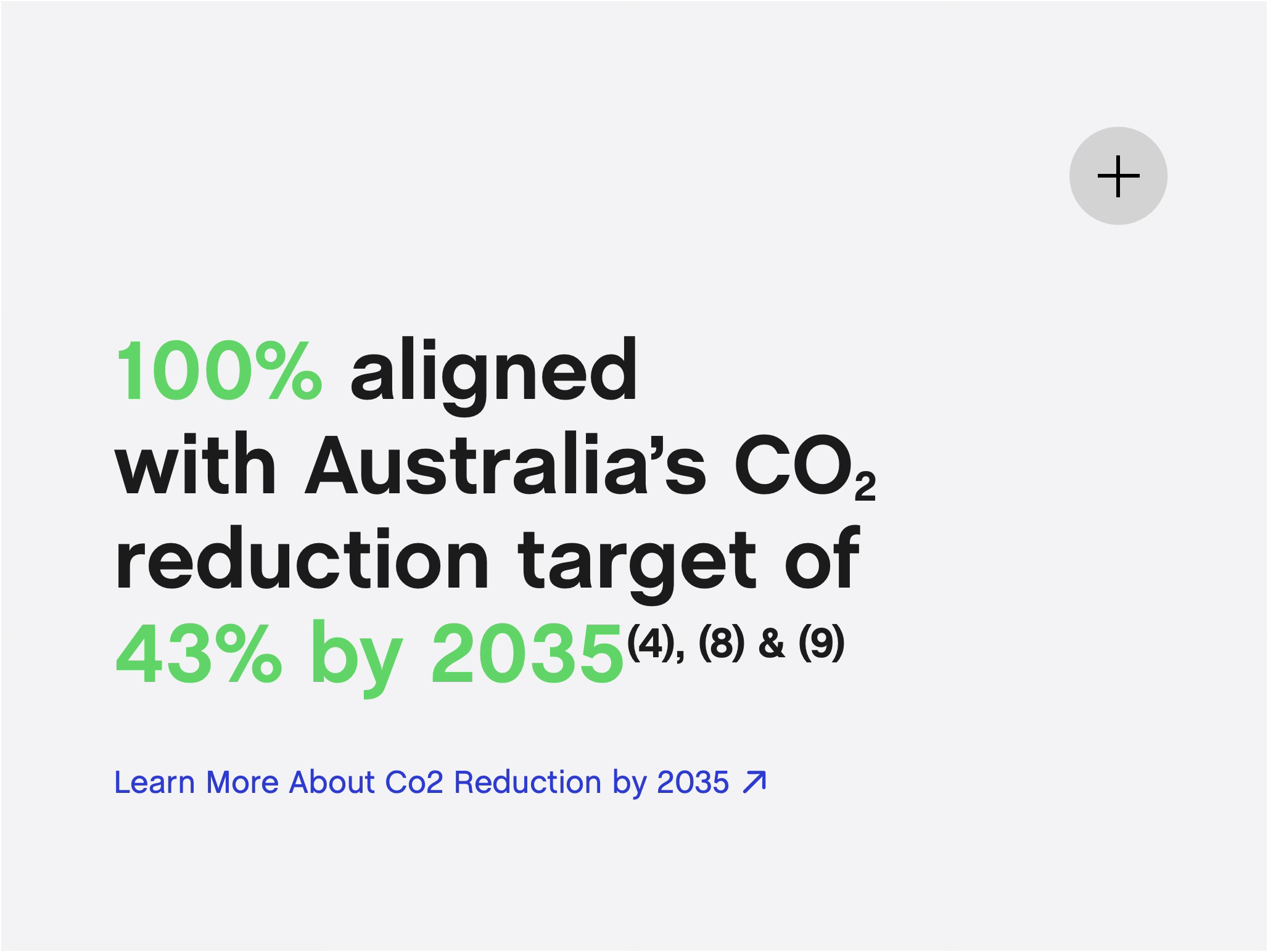
Stæbl 2035 - Declaration & Progress 2026
Our Progress by the Stats
Stæbl is taking decisive action to drive sustainability across every aspect of our business. Through thoughtful design, responsible material choices, and smarter logistics, Stæbl’s making a real difference, today and for the future.
We share progress openly celebrating what’s done, owning what’s ahead, and making it easy for others to act.
Environmental Responsibility Proven in Every Product
Staebl designs products that last. We engineer for recovery, reuse and recycling at end-of-life. Every detail considers material, energy, and human impact. Smarter chemistry, verified sources, and circular design ensure each product is safe for those who make it, use it, and take it apart again.
And through Staebl Academy, that same transparency extends to knowledge by turning private standards into public learning. We want everyone to have the opportunity and means to understand what real accessibility and environmental accountability mean.


Designed for a Giving Earth.
Each design decision, from metal alloy to packaging, honours the planet we share. Staebl designs and engineers for endurance, reuse, and renewal.
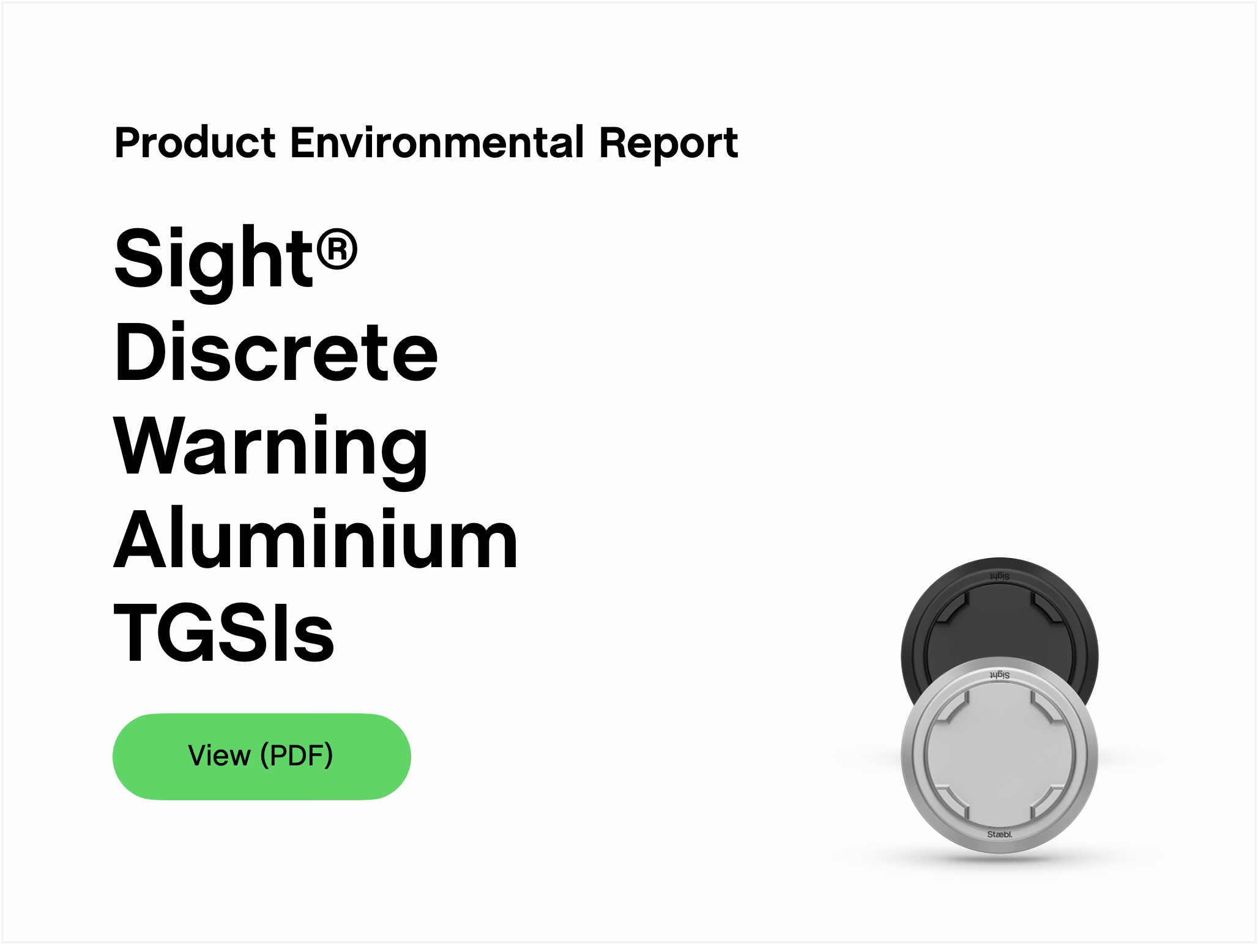
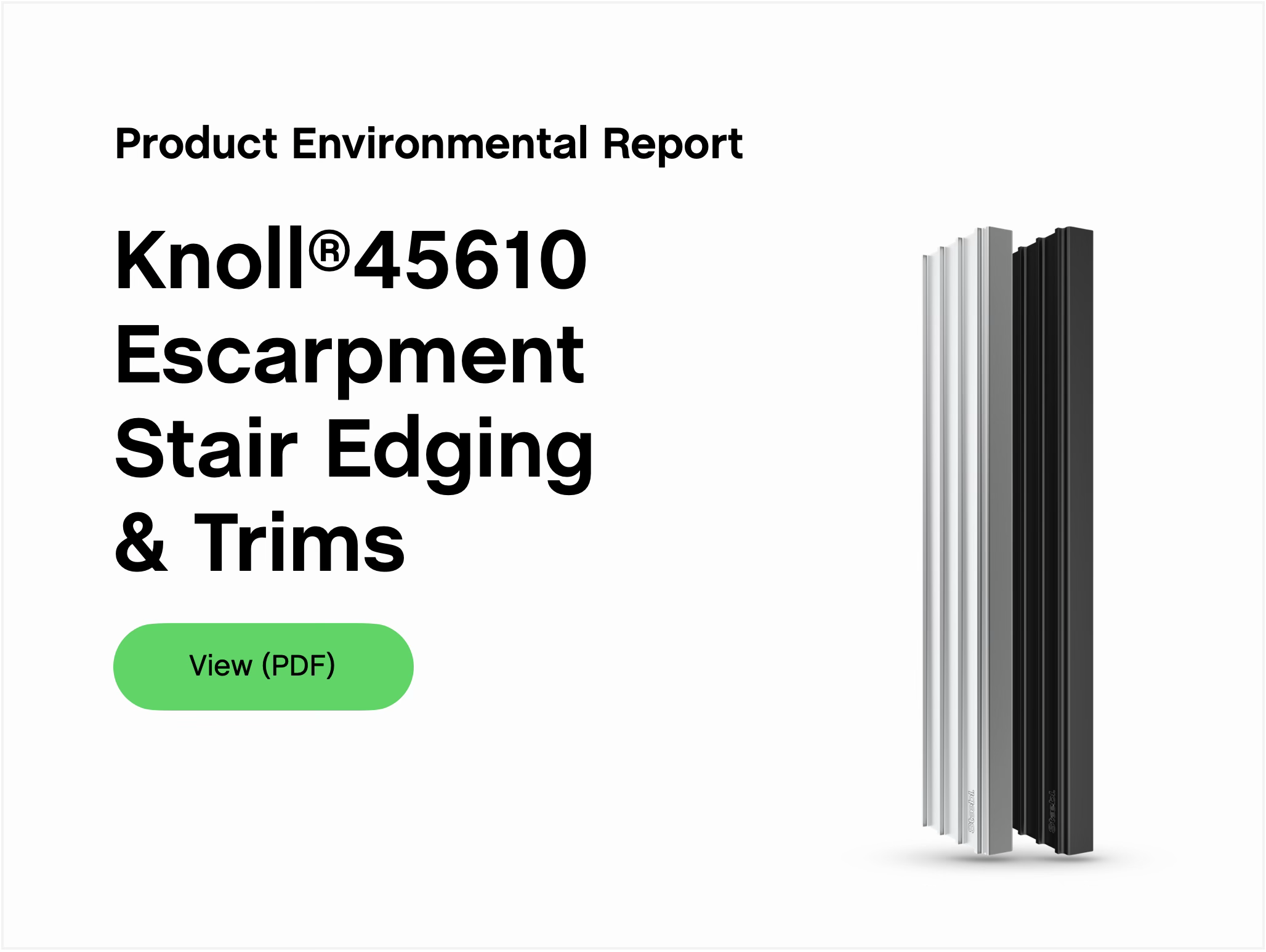
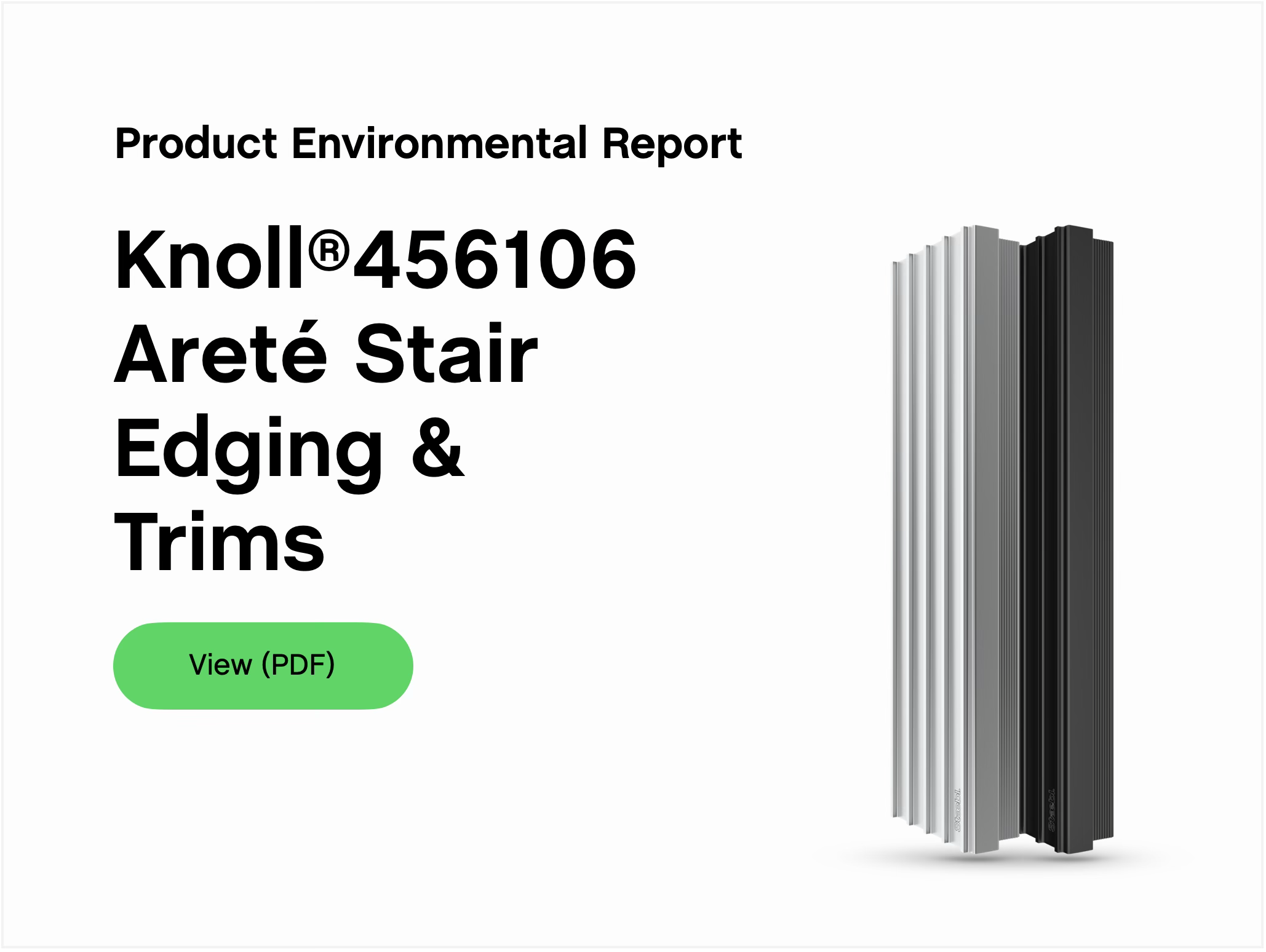
Every Staebl product is accompanied by a Product Environmental Report (PER), providing verified data on materials, energy, and recovery, and supported by Staebl Academy, which freely explains how to interpret those reports.



Upstream Partnerships
Downstream Relationships

Every collaboration is chosen for its impact, reducing waste, improving transparency, and creating opportunities for shared environmental and social progress. Staebl collaborates with ethical suppliers, recyclers, and educators to reduce harm and create shared value. Through transparency and traceability, Staebl ensures every partnership contributes to a safer, fairer, and more sustainable world.

Staebl Academy connects these partnerships through film, audio, visual diagrams, and web-accessible documents, turning technical standards into shared knowledge that empowers every designer, builder, and access consultant to do better, together.
Environmental Progress You Can See.
Staebl measures everything that matters, carbon, recovery, compliance, and care. We then share it openly through accessible reports and learning.
Learn more about Staebl’s measurable actions toward circularity, reduced carbon, and social responsibility, or learn how we measure, through open educational modules and films.

Resources
Staebl designs for longevity, products that perform, protect, and return. Through circular manufacturing, verified recovery, and accountable supply chain practices, Staebl works to eliminate waste to landfill and preserve natural resources.
And through Staebl Academy, that information is shared freely, globally, and accessibly, transforming compliance knowledge into a common understanding.
Reference Documents:
Staebl Design Loop® – Lifecycle Framework
Staebl Waste Remade® – Recycled Material Certification
Staebl Trade-in & Reunion® – Recovery Pathway Policy
Climate Change
Climate change defines the challenge of our time. Staebl responds with circular design, low-carbon manufacturing, and verifiable data, transforming waste into new beginnings.
Through Staebl Academy, these principles are taught openly, empowering others to use mobility and orientation products correctly, choose lower-impact transport, and design for measurable sustainability.
Reference Documents:
Staebl Product Environmental Reports (PERs)
Staebl Supplier Environmental Sustainability Plan (SESP)
Staebl 2035 - Declaration & Progress 2026
Staebl Academy – Climate Literacy Series
Safe Chemistry, Trusted Materials.
Every formulation, finish, and process is reviewed to protect people and the environment. Staebl’s verified chemistry keeps innovation responsible and transparent.
Through maintaining strict standards for every materials used in each product process, all anodising and bonding chemistries are reviewed under a toxicological assessment framework, ensuring safety for people and ecosystems throughout the product lifecycle.
These methods are explained openly through Staebl Academy’s Chemistry & Materials Series, helping professionals understand safe chemistry in plain, visual language.
Reference Documents:
Staebl Verified Anodising Chemistry Statement
Staebl Material Safety Data and Traceability Reports
Ethical Supply. Environmental Respect.
Our supply chain is guided by integrity with sharp focus on protecting people, materials, and the environments that connect them.
Staebl and its partners uphold a high standard of ethics, safety, and environmental care. From traceable material sourcing to fair labour and verified recycling, each link in Staebl’s supply chain is accountable for its impact.
Staebl Academy’s Ethical Procurement Stream provides open access to these principles, breaking down legal and technical standards into real-world learning through video, transcription, and web-accessible modules.
Reference Documents:
Staebl Supplier Environmental Sustainability Plan (SESP)
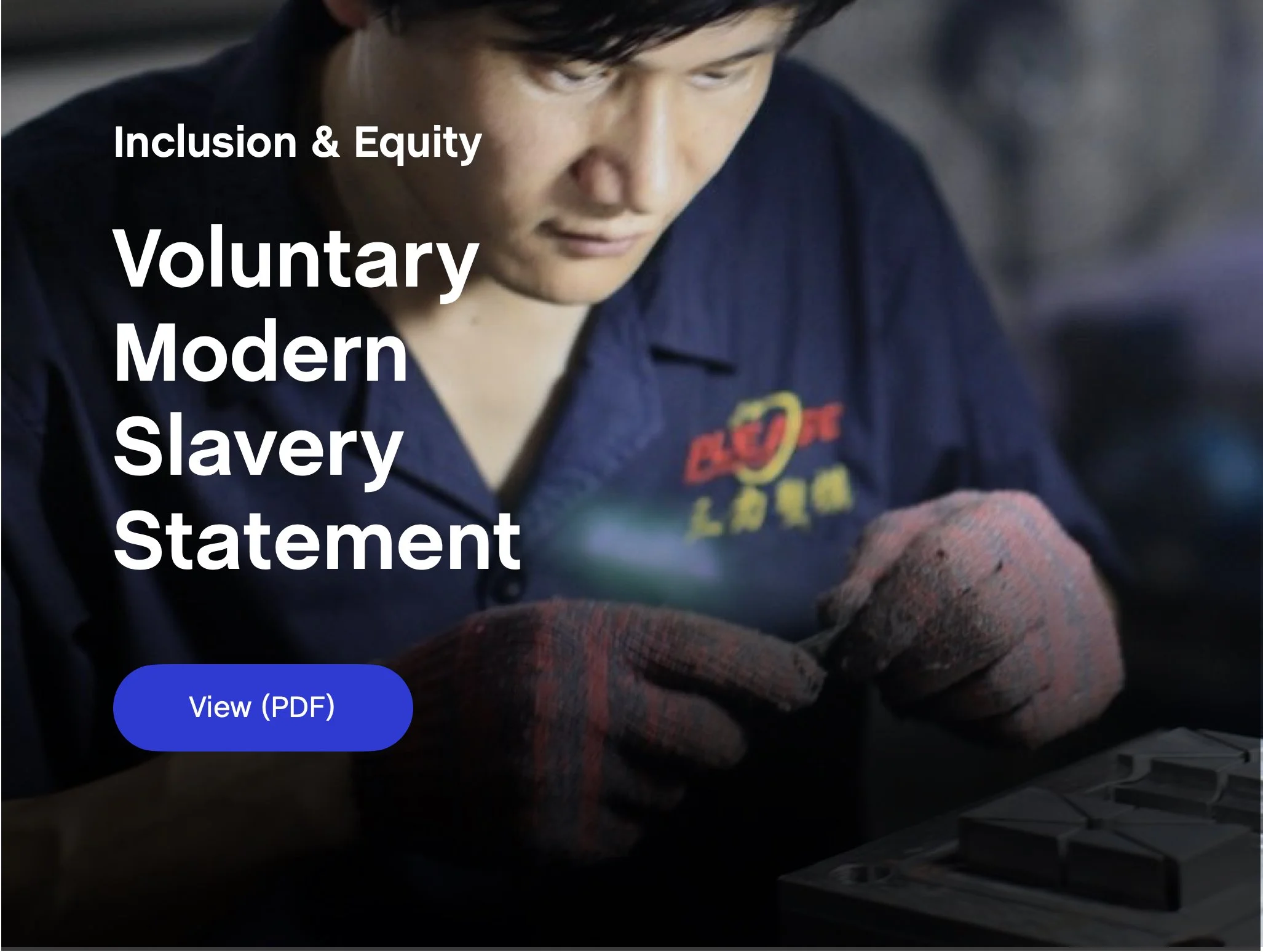
Staebl Voluntary Modern Slavery Statement
Staebl Ethical Procurement Guide (Staebl Academy)
Our Values are Our Strategy.
Integrity, inclusion, and accountability are not principles on paper. They are alive in every design, decision, and partnership we make and manage.
We believe that responsible manufacturing means owning what we create
Join us in taking action
Staebl's decision-making is guided by our commitment to sustainability, ensuring that our products & practices lead the way in environmental responsibility.
Design Loop®
Waste Remade®
Design & Sustainability
Purpose
Design Loop® is Staebl’s closed-loop design and development system, guided by a simple principle:
What we make, we welcome back.
Core function
Design Loop® ensures that responsibility begins at the point of design. Products are created with
defined pathways for use, removal, recovery, and reintegration before manufacturing begins.
How it delivers the 2035 vision
Design Loop® is Staebl’s compass. It maintains direction as projects scale, markets change, and pressures increase, ensuring decisions remain aligned with long-term environmental, social, and material responsibility.
Learn more
Materials & Process
Purpose
Waste Remade® is Staebl’s material accountability system. It prioritises verified recycled materials and documents how waste is transformed into high-performance products.
Core function
Waste Remade® reduces embodied energy and carbon by choosing recycled materials over virgin resources, while maintaining performance, durability, and traceability.
Learn more


Custodian®
Staebl®Academy
Inclusion & Social Initiatives
Purpose
Staebl Academy® is Staebl’s learning and knowledge system created to break down barriers to information that continue to limit progress in the design and construction industry.
Core function
Staebl Academy removes friction, confusion, and gatekeeping around access, compliance and sustainability. It translates complex standards, lived user experience, and technical knowledge into practical learning that can be applied confidently by those shaping the built environment. By improving access to information, Staebl Academy addresses one of the most persistent obstacles to change: uneven understanding across the industry.
Learn more
Service & Stewardship
Purpose
Custodian® is Staebl’s long-term product support system, designed to ensure performance, compliance, and safety throughout a product’s life.
Core function
Custodian® provides maintenance guidance, technical support, compliance continuity, and informed replacement strategies that prioritise reuse and material recovery.
Learn more
References
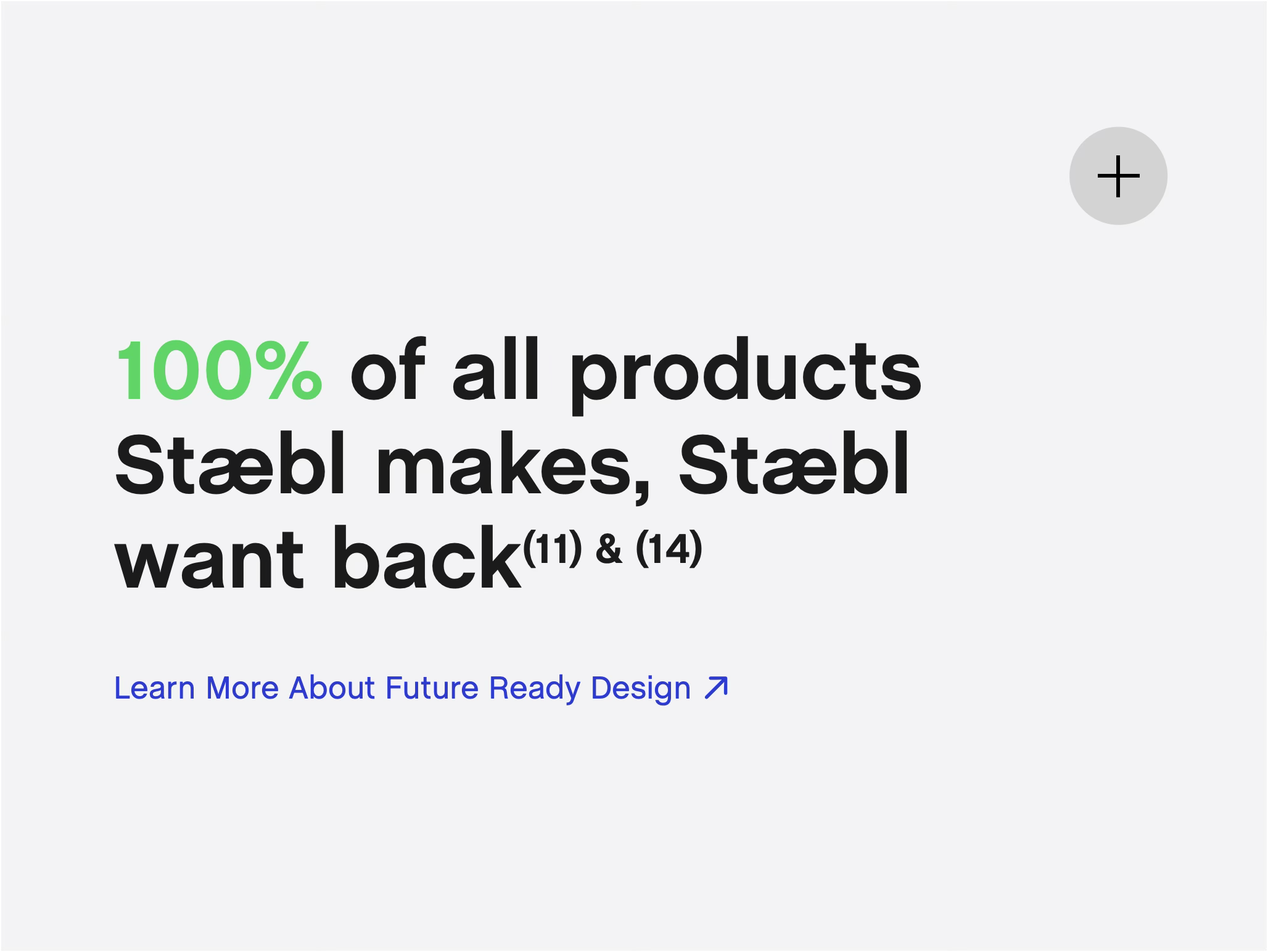
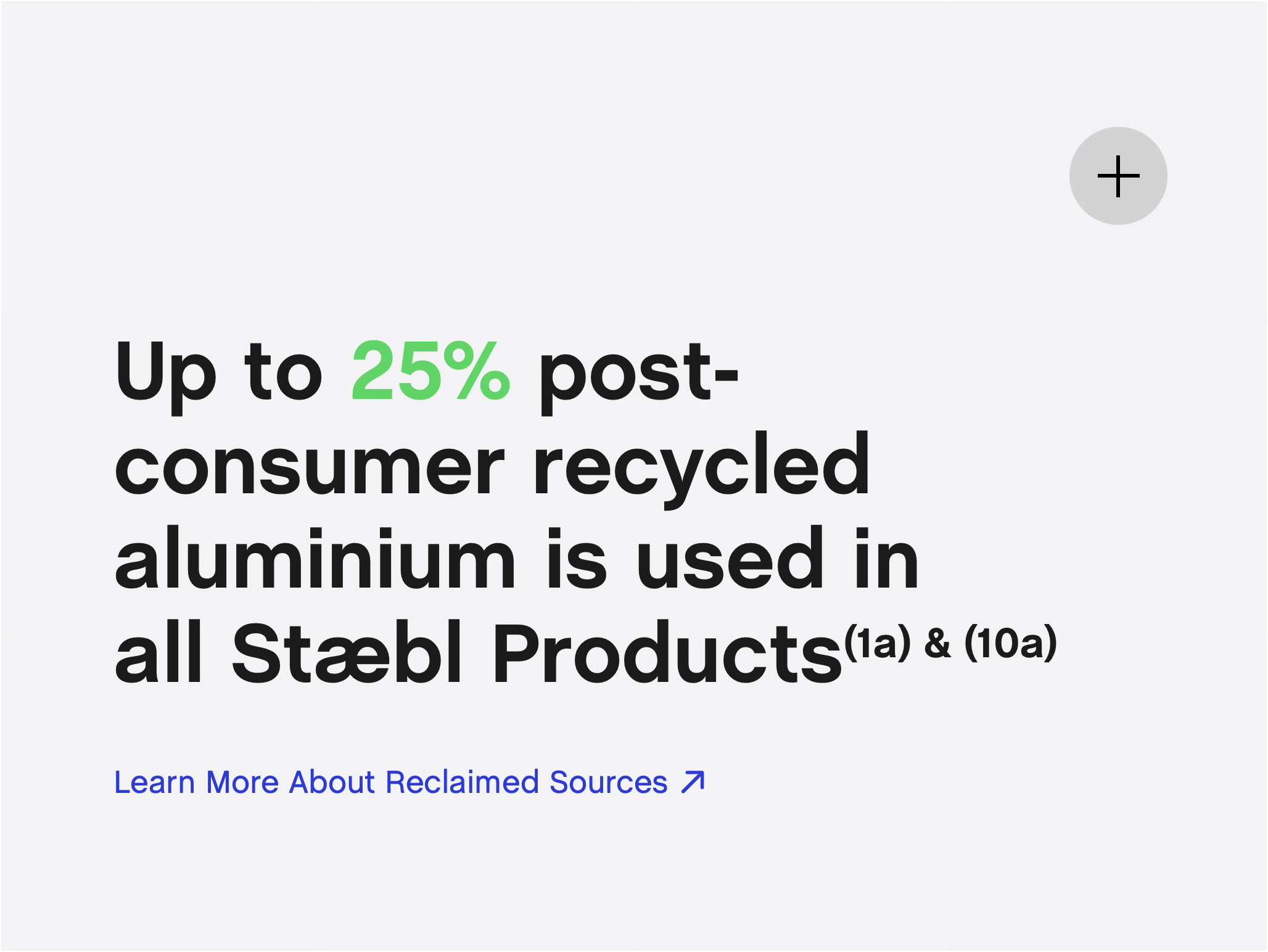
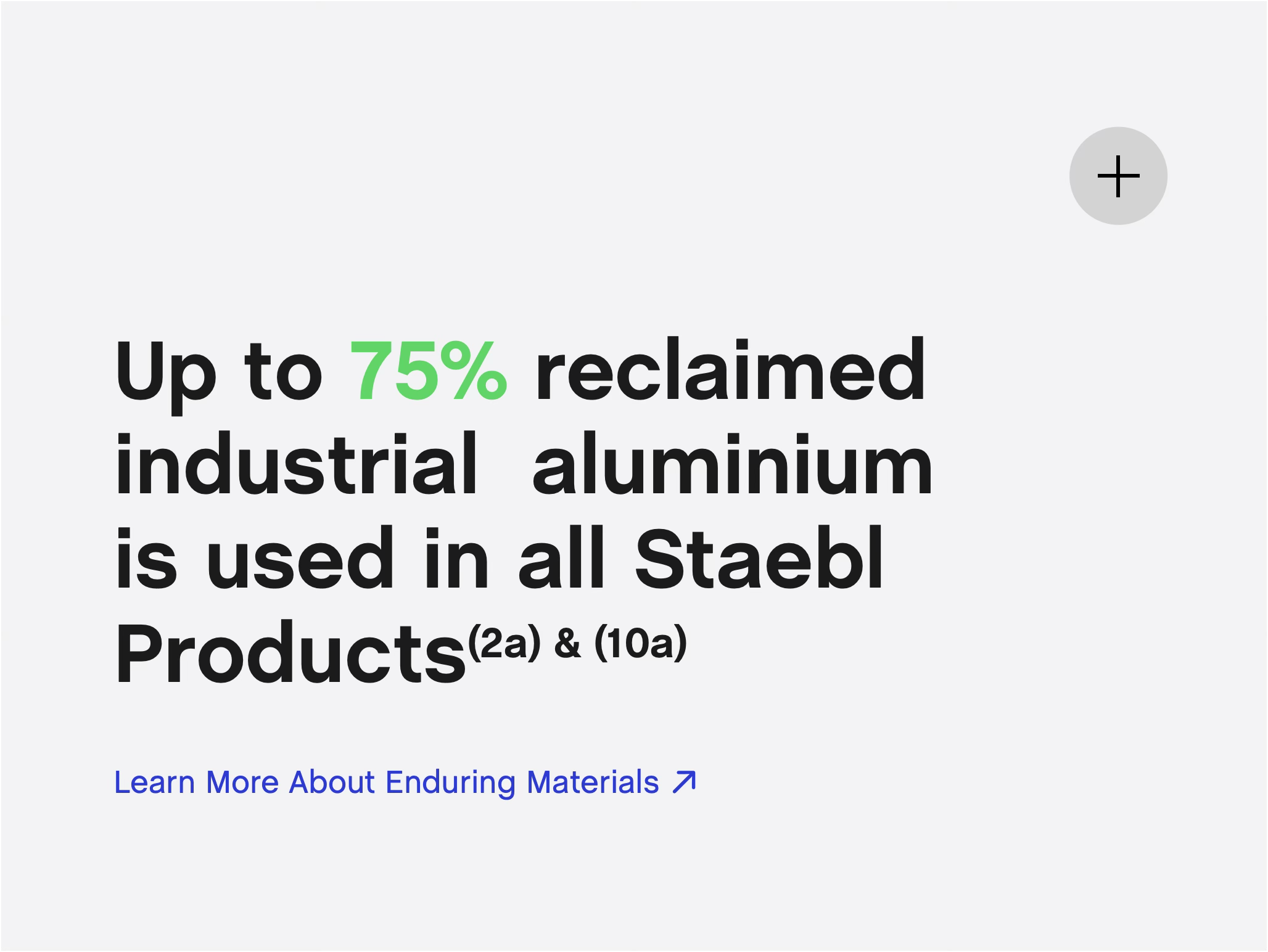
Staebl® verified circular supply partners: Staebl PL verifies its material supply partners through a multi-step onboarding and auditing process that includes: Supplier declarations of post-consumer or post-industrial material content. Request and review of third-party material analysis (e.g. spectrometry, batch certification). Annual re-certification against Staebl's Waste Remade® material acceptance criteria. Only suppliers with closed-loop reprocessing capabilities and verifiable scrap origination pathways are eligible to contribute to Staebl's 100% recycled aluminium supply chain. Stæbl transforms its 100% recycled aluminium using hard anodising, which provides several significant advantages, particularly when applied to products like Tactile Ground Surface Indicators (TGSIs).
Batch-level traceability and internal Staebl audit trails: Every aluminium batch received by Staebl PL is assigned a unique identifier and logged into Staebl's internal lifecycle traceability ledger. This includes: Origin and type of scrap (e.g. post-consumer, industrial offcut). Supplier name and location.Date of intake, processing site, and final product destination. Internal audits verify that each batch is traceable to its supply partner and forwarded to its product application, creating a closed accountability loop.
Annual external review by Staebl®-approved recyclers and suppliers: Staebl PL requires all approved circular supply partners to participate in an annual independent material audit. This audit includes: Verification of input material types (no virgin aluminium allowed). Review of downstream recovery metrics (e.g. yield rate, contamination). Confirmation of sorting, melting, and re-alloying procedures that meet or exceed Staebl's closed-loop performance standards. The results of these reviews are logged and cross-referenced with batch-level traceability records.
Hard anodising to 20µm or 60µm using energy-efficient, chemical-free systems: Staebl's anodising process differs from conventional methods by using: Low-temperature, controlled-current hard anodising cells that optimise electrolyte efficiency. No VOCs or solvent-based dyes, all colouring is sealed using thermal hydration (hot deionised water) or organic acid sealing. Depths of 20µm (Silver Light) and 60µm (Black Light) are measured via non-destructive eddy current methods to ensure compliance. Energy usage is monitored per batch and benchmarked against standard anodising curves to ensure reductions.
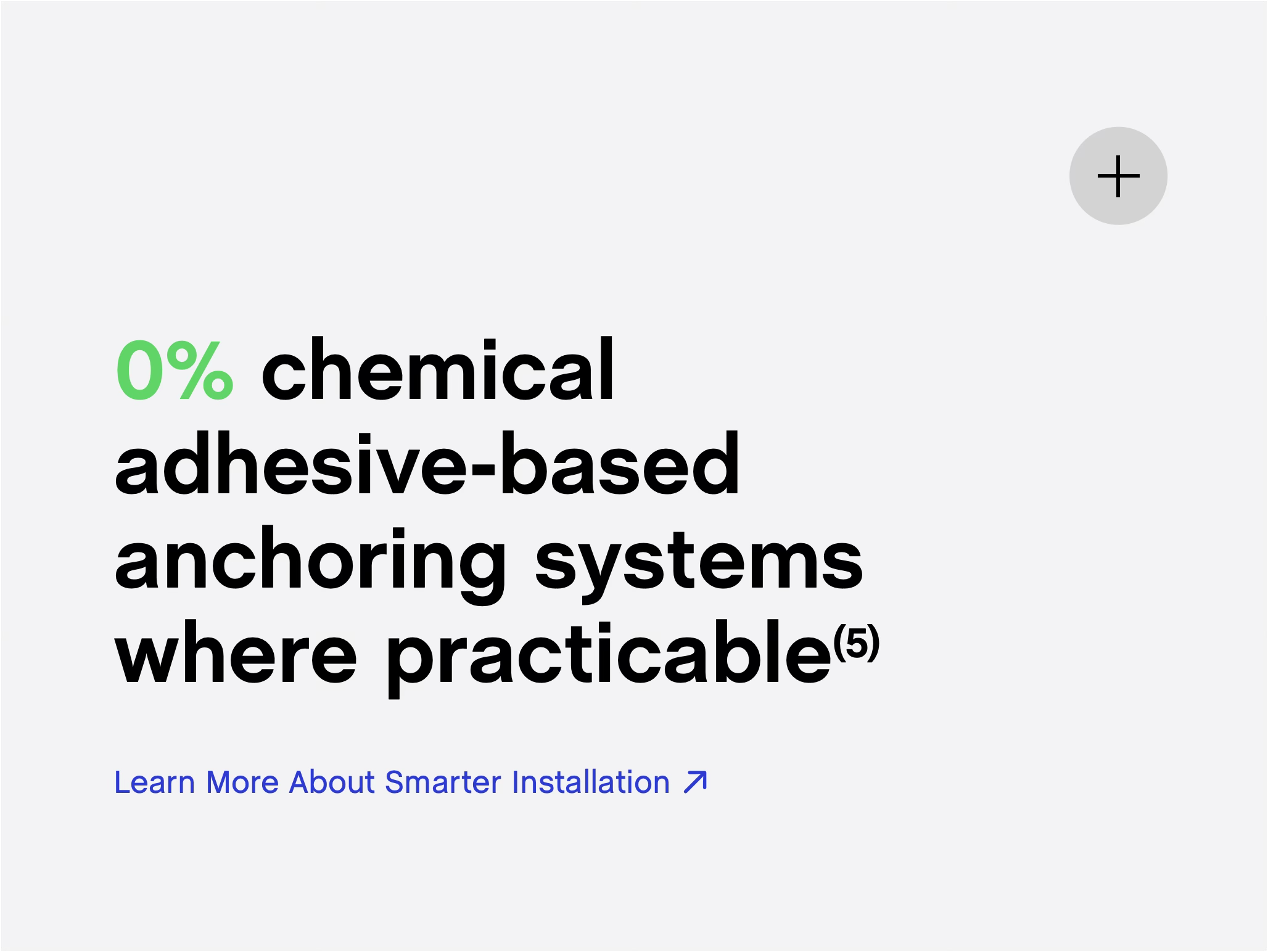
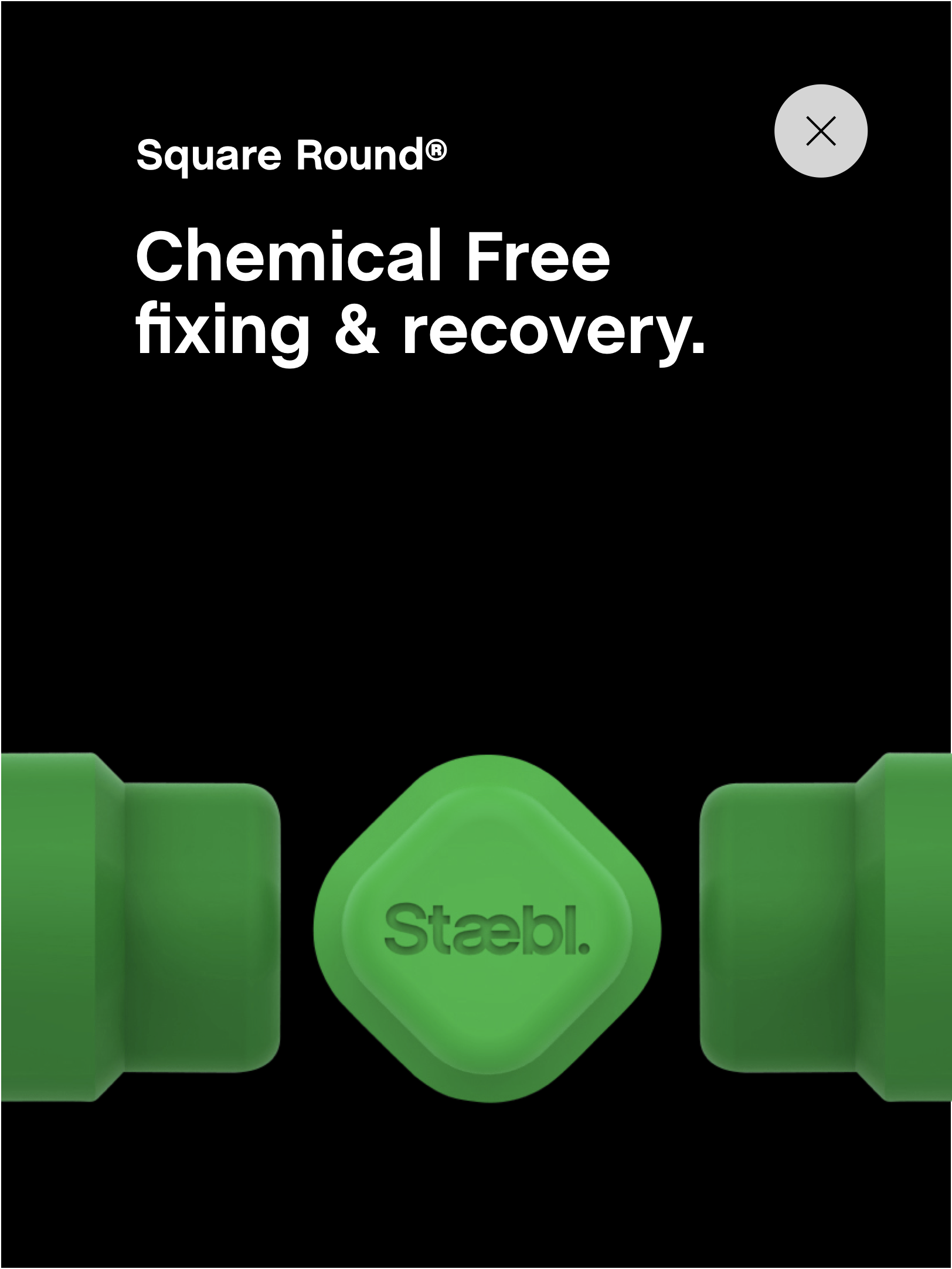
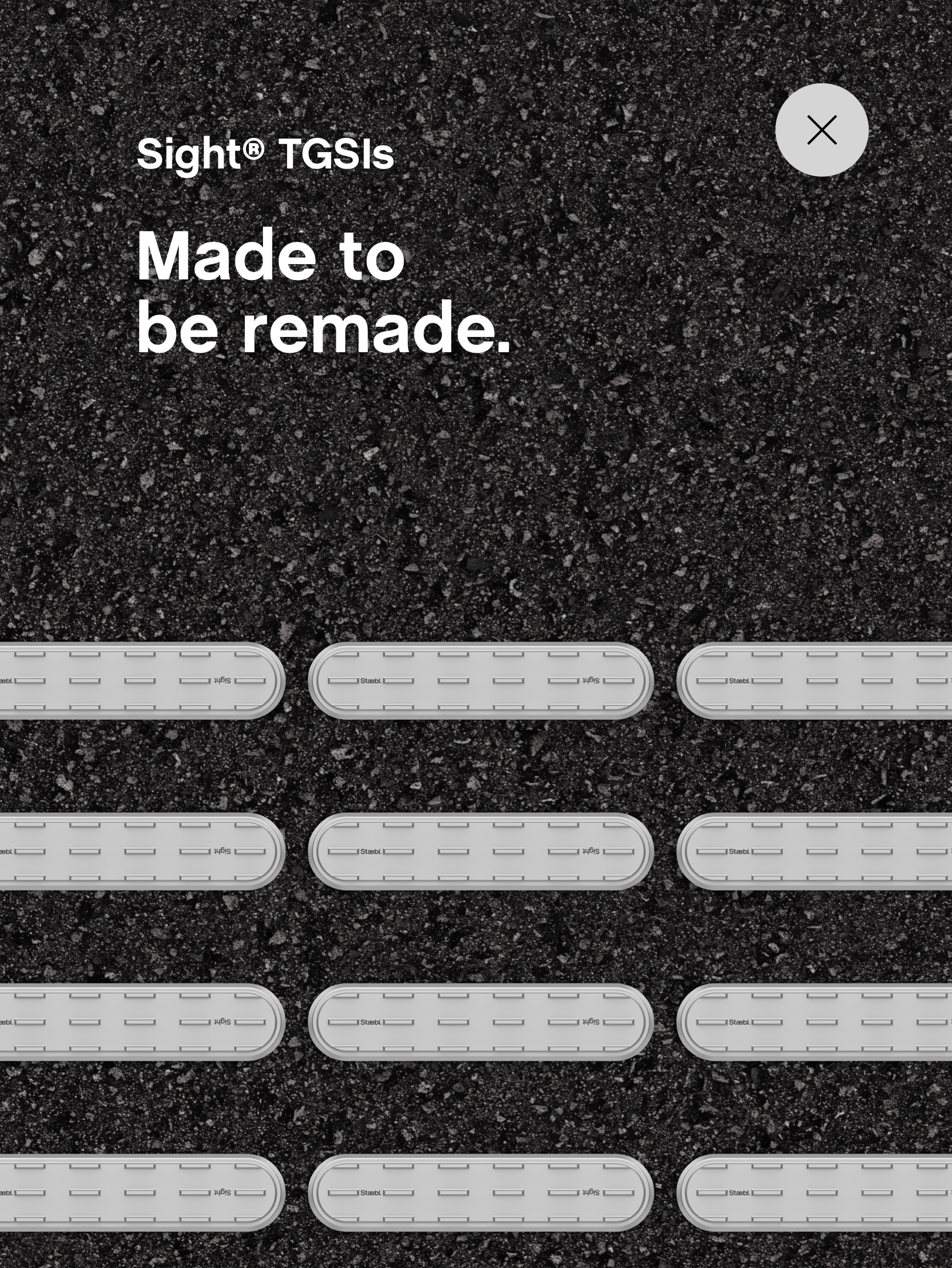
No chemical adhesives, rubber, or carborundum are used in the assembly or configuration of Staebl® products: Staebl products are engineered to eliminate materials compromising end-of-life recyclability or introducing health/environmental hazards. Mechanical friction fixing systems are used in place of adhesives. No rubber, plastic, or carborundum inserts are used in any Sight® TGSI or Knoll® stair trim, ensuring single-material purity. All fixing components are fully removable, ensuring ease of disassembly and compliance with Staebl's "designed for return" principle.
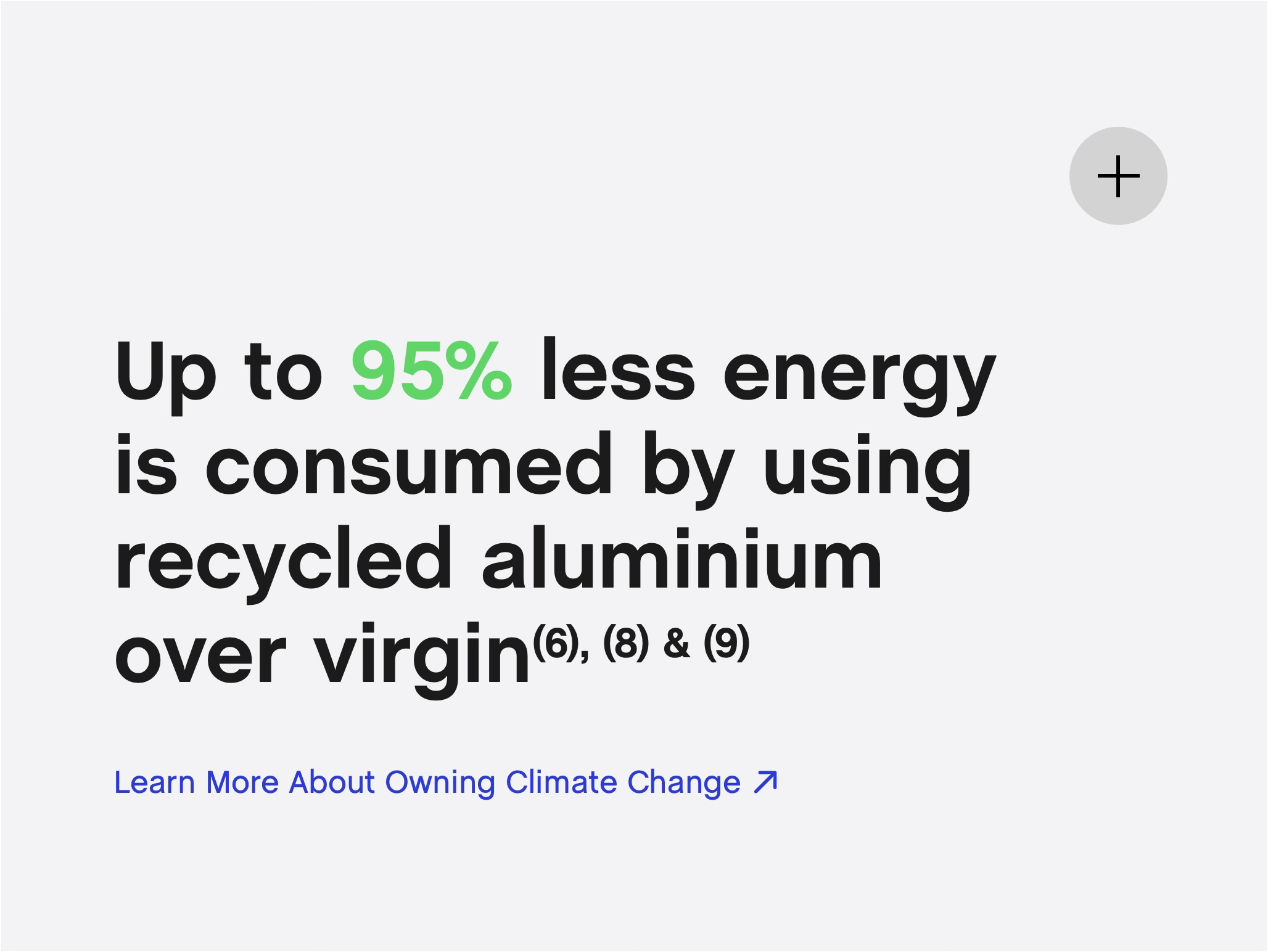
Aluminium remelting uses up to 95% less energy than primary aluminium production: Source: International Aluminium Institute (IAI), 2024. Support:Primary aluminium: ~186 GJ/tonne. Recycled aluminium: ~8.3 GJ/tonne. Claim Verification: This represents a 95.5% energy saving. Reference: IAI Factsheet Claim #2 – Aluminium Recycling Saves 95% of the energy
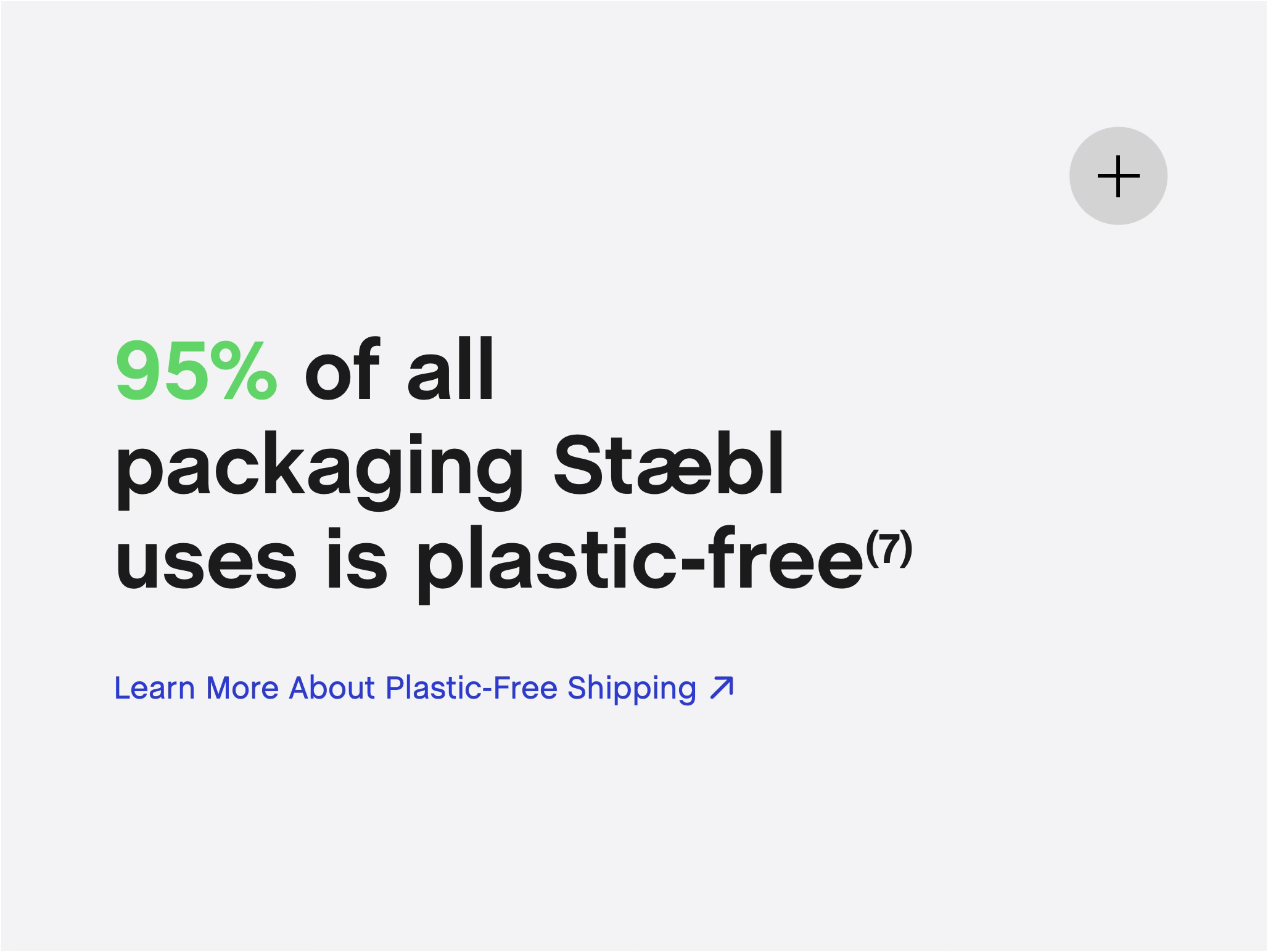
Staebl PL. Sustainable Packaging Strategy | Version 01 | 2025 This strategy outlines Staebl’s commitments to circular, plastic-free packaging, verified fibre sourcing, and ethical material accountability. Learn more: https://www.staebl.com/sustainablepackagingstrategy.
Recycled Aluminium: 0.5–0.6 kg CO₂e per kg: Source: International Aluminium Institute (IAI), Greenhouse Gas Emissions Report 2023. Figures: New scrap: 0.5 tCO₂e/ton. Old scrap: 0.6 tCO₂e/ton. Internal scrap: 0.3 tCO₂e/ton. Reference: IAI GHG Emissions – Recycled Aluminium
Primary Aluminium: 11.5–16.5 kg CO₂e per kg: Source: International Aluminium Institute (IAI), 2023. Explanation: Emissions range based on smelting method and power source (coal, hydro, gas). The global average falls within 11.5–16.5 kg CO₂e per kg of finished aluminium. Reference: IAI GHG Emissions – Primary Aluminium
ISO 14021 – Environmental Labels and Declarations (Self-Declared Environmental Claims): Staebl PL aligns its Waste Remade® claim to ISO 14021:2016 (soon to be superseded by ISO/DIS 14021:2024), specifically: Clause 7.8: "Use of the term 'recycled content" and "Clause 5.7: "Accuracy and verifiability of claims." All batch certifications for recycled aluminium content are retained on file and available to verification bodies or project auditors. ISO Overview
LEED v4.1 – MR Credit: Building Product Disclosure and Optimization – Environmental Product Declarations (EPDs): Staebl products support LEED points under the Materials and Resources category, specifically: MR Credit: Environmental Product Declarations (Option 2 – Multi-attribute optimisation), and MR Credit: Sourcing of Raw Materials (Option 2 – Recycled content). Staebl's Waste Remade® verification and lifecycle documentation satisfy these credit pathways. LEED Reference: LEED v4.1 BD+C MR Credits
Green Star – Mat-5: Lifecycle Impacts: Staebl products contribute to Green Star: Design & As Built under: Credit 21: Material Lifecycle Impacts – Up to 3 points are available for the use of recycled materials with EPDs and product stewardship. Staebl PL's documented recovery pathway and traceable recycled content meet Mat-5 circularity and reuse criteria. Green Star Reference: Green Star Materials Guide – Credit Mat-5
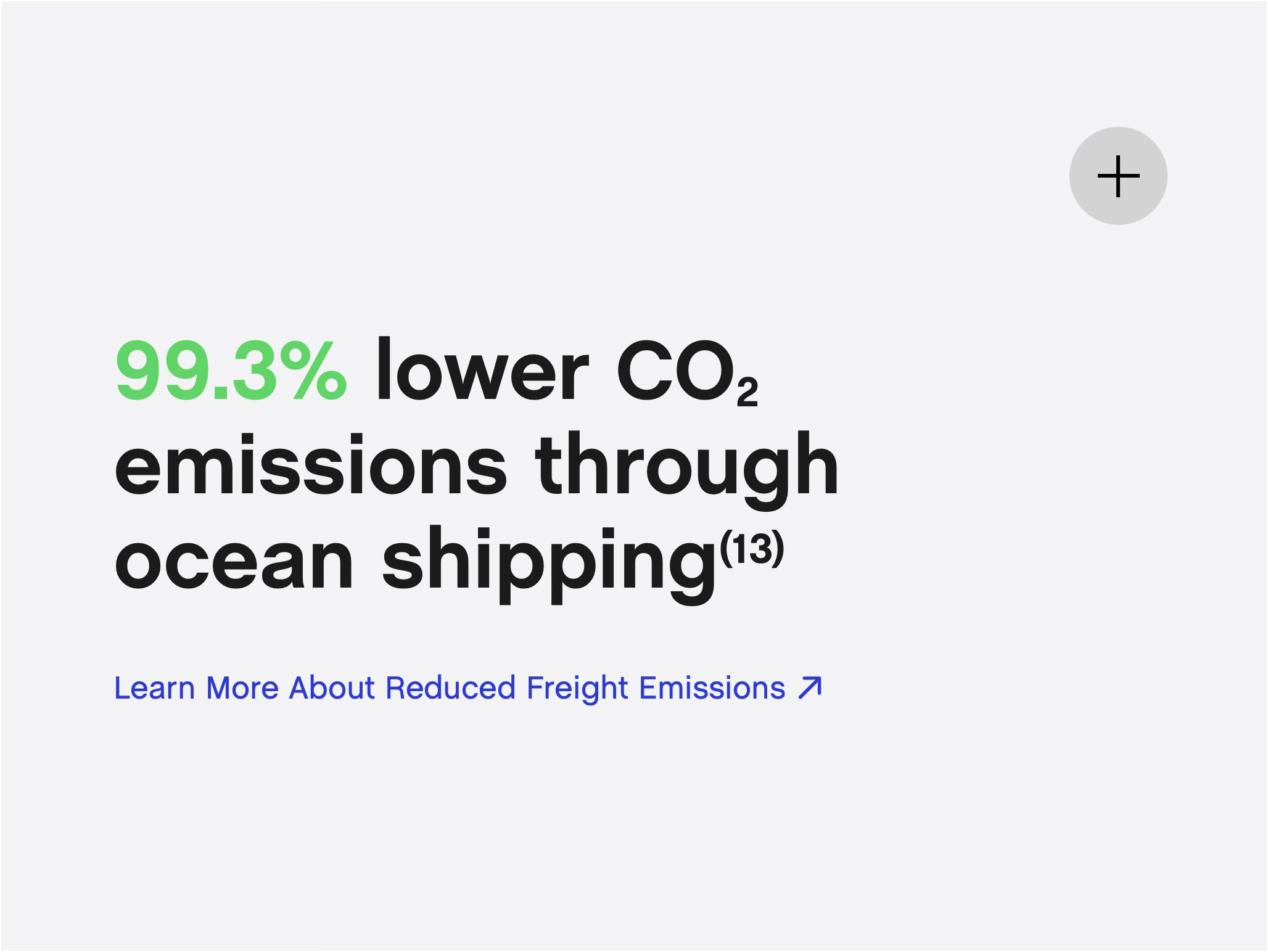
Reduced Freight Emissions - 99.3% Lower Co2 emissions through ocean shipping: Stæbl slashes logistics-related CO₂ emissions by 99.3% through an unwavering commitment to ocean freight over the air: every product ships via consolidated sea containers, maximising load efficiency and minimising per-unit carbon intensity. By embedding responsible logistics in our sustainability playbook, Stæbl turns global distribution into a low-carbon advantage, delivering high-performance products while driving down supply-chain emissions. Source: Grounded in carbon intensity benchmarks from the International Maritime Organization (IMO) Source: Grounded in carbon intensity benchmarks from the International Maritime Organization (IMO) Fourth GHG Study and the International Chamber of Shipping (ICS) framework metrics.
Custodian® - Stæbl is enabling duty holders to manage product life and use-cycle with confidence: Warranties, servicing, and compliance documents are built into the product journey. This is Lifecycle Responsibility in action. Technical guidance and Learning are provided to assist customers in managing performance, safety, compliance, and end-of-life return. Learn More at https://www.staebl.com/custodian